
All authors discussed conflicts in the extracted data to reach an agreement on the included reviews; one reviewer (SL) removed the duplicates. Two reviewers , SL and MK, independently selected and extracted the data using the online application Rayyan (Rayyan Systems Inc., Cambridge, MA, USA) . The lead author searched the reference lists for eligible studies and topical review articles (SL). Relevant search terms were connected with Boolean operators by keywords of recovery and endurance to search for eligible reviews. However, individual studies suggest that compression garments and cryotherapy are effective training recovery strategies.
Isolated nutrients found in these supplements complement a balanced diet and offer accurate support to improve recovery. Concentrated sources of specific nutrients (like electrolyte tablets and protein powders), are what food supplements are, tailored to meet particular nutritional requirements when dietary intake is inadequate for optimal recovery. In this section, the effectiveness, benefits, and possible limitations of the different types of food supplements commonly used in post-exercise recovery will be analyzed.
Food supplements are critical in enhancing post-exercise recovery by delivering key nutrients necessary for muscle repair, energy restoration, and overall physiological functioning. Ensuring adequate intake of these micronutrients promotes efficient recovery, helping to minimize fatigue and support long-term performance improvements. Strength and power athletes emphasize protein for muscle repair and growth (while endurance athletes focus on carbohydrates for energy and recovery), with protein supporting muscle maintenance. These variations in macronutrient needs underscore the importance of tailored nutrition strategies for different types of athletes. Fat intake is also relevant for endurance sports, providing a secondary energy source, especially during prolonged, moderate-intensity exercise when glycogen stores may be depleted. For endurance athletes, a daily carbohydrate intake of 6–10 g per kilogram of body weight is typically recommended to maintain glycogen levels and prevent fatigue .
Proper nutrient intake replenishes glycogen, repairs muscle tissue, supports the immune system, and reduces inflammation, with the timing and quality of nutrients being critical to maximizing benefits. Exploring the cumulative effects of whole-food-based recovery practices compared to supplement-heavy approaches will provide insights into which methods foster lasting wellness and performance. Additionally, examining the effects of personalized nutrition over time, mainly through genetic and metabolic profiling, could help determine whether individualized approaches yield sustained benefits in performance and health outcomes .
How we reviewed this article:

They help the recovery in muscle repair and recovery; therefore — by including pea protein into nutrition regiment following exercise can support recovery and overall wellbeing and performance in exercise, especially in people facing diet restrictions. Furthermore — soybean peptides may also modulate metabolism including lipid metabolism and glucose metabolism (32) that are important for exercise fatigues recovery and general health. They reflect their antioxidant potential by scavenging free radicals and reducing oxidative stress — which plays a crucial role in maintaining cellular integrity in exercise. As shown, muscle injury evoked by exercise is a complex response including multiple cells and multiple molecules , Figure 1,. Exogenous and endogenous antioxidants have the potential, either scavenging free radicals or damaging free radicals, respectively, to minimize damage and accelerate recovery (17, 18).
The analysts ultimately suggest that including proteins, fats, carbohydrates, water https://soho-london.co.uk/best-weed-strains-find-your-perfect-match/ , and electrolytes can be an effective strategy for quick physical recovery. Researchers from many studies (including a 2024 literature review), recommend getting around 1 to 1.2 grams of protein per kilogram (g/kg) of your body weight each day for optimal health. Supplementation of medicinal plants in athletes (diets can increase athletic performance), and provide synergistic health benefits. For athletes, trainers, nutritionists and dieticians, and physicians, the most important recommendation is to maintain a nutritionally sufficient diet that provides the appropriate levels of vital nutrients and vitamins.
Therefore, authors should pay attention in future studies to properly follow the updated PRISMA statement and explain each item separately. However, there is a scarcity of studies focusing exclusively on training recovery in endurance athletes. The two studies using massage as a recovery strategy found no benefits compared to controls 59, 65. However (the effects were marginal for similar applications for endurance performance 56), 67. Five 29, 30, 38, 42, 43 out of twenty-two reviews, focusing on massage , cryotherapy 30, 38, 42, and CG , compared recovery outcomes at different time points.
The authors highlighted limited research on plant-based proteins in vegan athletes and sedentary or inactive individuals. Healthy young adults between 18 and 44 — including vegan athletes, who engaged in resistance training, were included. Considering its benefits, scientists have focused on exploring its potential in improving athletic performance and recovery. Protein intake is essential among athletes because it facilitates muscle repair and stimulates recovery. When I suffered a back injury in 2017 while playing rugby, TikTok and Instagram weren’t exactly the hotspots for health and fitness content that they are today. … These attributes provide a scientific foundation for the increased use of plant-based diets by endurance athletes.
Discover what else Kew Science has to offer
Elmore Wonsley (center), speaks next to attorney Ben Crump, left, and Rev. Al Sharpton during a memorial service for Nolan Xavier Wells on Monday. Relatives of Vanisa Anifa, a 6-month-old orphaned girl who died of Ebola, attend her burial, in Bunia, Congo, Friday, June 19, 2026. People wave a giant Ukrainian flag during a demonstration on Monday to protest against the ousting of reformist defense minister Mykhailo Fedorov. A Madison police officer shot and killed a man during a struggle in the street on Wednesday, sparking protests outside the Wisconsin State Capitol.
A 20–30 min massage that is performed immediately following or up to 2 h after exercise has been shown to effectively reduce DOMS for 24 h after exercise (Torres et al., 2012). DOMS is induced by muscle damage, and massage may increase muscle blood flow and reduce muscle oedema (Weerapong et al., 2005; Bakar et al., 2015). These exercise-induced perturbations can lead to a temporary reduction in muscular force (Brown et al., 1997; Goodall and Howatson, 2008; Mackey et al., 2008), a disturbed sense of joint position , Saxton et al., 1995; Paschalis et al., 2007,, decreased physical performance (Twist and Eston, 2009; Burt and Twist, 2011), and/or an increased risk of injury (Cheung et al., 2003; Barnett, 2006).
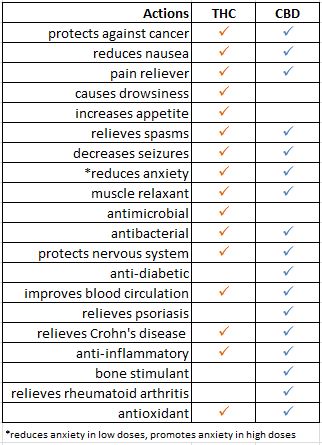
Endocannabinoids (such as anandamide and 2-arachidonoylglycerol (2AG)), behave as cannabinoids by activating cannabinoid receptors called type-1 (CB1) and type-2 (CB2) receptors. The cannabis system enables numerous effects during physical exertion, including sensations of joy, calm, and euphoria , Carek et al., 2011,. Based on what is currently known (CBD has potential benefits and properties that could help the athlete feel better when facing competition (Kennedy), 2017; McCartney et al., 2020; Rojas-Valverde, 2021). Despite this lack of knowledge on the effects on athlete’s performance and health (based on its impact on other populations and health problems), some potential benefits should be more in-depth analysed.
Longitudinal studies are essential to examine how chronic use of recovery supplements affects athletes over their lifespan (including potential impacts on metabolic health), cardiovascular function, and the risk of chronic diseases. Data from the selected articles were carefully extracted (with key findings categorized into themes such as protein supplementation), carbohydrate and electrolyte replenishment, anti-inflammatory effects, and emerging personalized nutrition approaches. All authors , SL, MK, MB, KL, declare that they have no competing interests and no financial or personal relationships that could potentially bias our findings or influence the interpretation of the results.
For example, studies tracking the long-term impact of high-protein diets on kidney health and bone density or the effects of long-term antioxidant supplementation on cellular adaptations could provide crucial insights . Athletes and practitioners should monitor and adjust supplement intake based on individual health markers and training cycles, avoiding continuous high-dose supplementation unless indicated. Long-term reliance on specific macronutrient distributions should be carefully evaluated to prevent imbalances that may negatively affect metabolic and cardiovascular health.
In general, massage appears to have more of a psychological placebo effect with short-term benefits. However, this effect was negative after 20 h, which makes the initial findings questionable. Also, in our results, massage only affected muscle soreness while other non-self-reported measures (La, VO2, and CK) were not affected. While these findings are discouraging, it must be noted that the included studies did not examine variables related to performance.